Commercial Water Restoration in Knightstown, IN
Knightstown Water Restoration dries Knightstown buildings zone by zone, so the parts of your operation still in use keep running.
Searching for Commercial Water Restoration near Knightstown? Knightstown Water Restoration dispatches 24/7, documents everything, and works with your insurance carrier from first call to final walkthrough. Call (765) 508-0821.
- Service: Commercial Water Restoration for Knightstown homeowners
- Service area: Knightstown, IN and surrounding areas
- Response time: Same day emergency response for Knightstown; 24/7 availability
- Licensed and insured (License #RC21100059)
- Serving Knightstown, IN since 2018
Commercial Water Damage Restoration in Knightstown
We handle commercial water damage restoration throughout Knightstown, and we'll stay on it from the first walkthrough to the final moisture readings.
Site Conditions
Properties near the Big Blue River carry added flood risk in heavy rain. Freeze and thaw cycles each winter can burst pipes in unheated parts of a commercial building. Your building's own drains and roof get checked on the first walkthrough with whoever manages the property.
We cover commercial properties across Knightstown, including the area around the U.S. Highway 40 / National Road corridor and Knightstown Academy. We also handle commercial water losses in Charlottesville, Pendleton, Rushville and Carthage.
Commercial Water Restoration for Knightstown Businesses
Water on a warehouse slab spreads farther than it looks, because the floor is flat by design and the square footage is large. It runs under racking, beneath pallets, and into the joint where the slab meets the dock wall. Knightstown Water Restoration brings desiccant drying and the air mover count that real square footage requires to commercial losses in Knightstown, with a crew dispatched within 2 hours of the call.
Knightstown Water Restoration writes commercial scopes line by line, with the readings and photos behind each item, so you can compare bids apples to apples. If another vendor's scope for your Knightstown building shows more tear out or more equipment days, ask for the readings that support it. Every line on a scope from Knightstown Water Restoration points back to a measurement or a photo.
Drying design on commercial square footage comes from measurements, like the affected cubic footage, the materials and how much moisture the equipment can pull from the air. Knightstown Water Restoration crews size dehumidification to those numbers, duct dry air into closed spaces and set air movers to keep air moving across wet surfaces. The calculation goes in the file and gets revised as readings change.
Cause documentation happens before the evidence disappears. Crews photograph the failed component, the water path and the saturation pattern, note the time the source was isolated, and keep the failed part when it's removable. Cause is one of the first things a carrier asks about, so Knightstown Water Restoration treats source photographs as part of the job. Your plumber's or your engineer's report goes into the same file.
Your building engineer knows the isolation valves, so ask that person to meet the crew at the door. Knightstown Water Restoration walks the loss with your engineer and builds the plan for your Knightstown property around the valves and panels marked on the sketch.
Signs You Need Commercial Water Restoration
If you notice any of these in your Knightstown building, schedule a free inspection before the issue worsens.
Residents reporting a brown stain spreading across the corridor ceiling outside their unit
Water pooling at the base of an interior column or along a demountable partition track
Vinyl wallcovering seams curling or bubbling on an interior partition wall
Water bills for the property climbing with no change in occupancy or use
A pipe split in an unheated vestibule or loading dock after a cold snap
A shutoff valve or supply line weeping behind an access panel in a janitor closet
The boiler or water heater room floor wet with no source anybody can point to
Musty smell in a stockroom or storage closet that wasn't there last week
Water heater tank leaking onto a utility room floor and running under the door
Ceiling tiles on the break room floor Monday morning with wet carpet tile beneath them
How Knightstown Water Restoration Handles Commercial Water Restoration
We follow these steps in order on every Knightstown job.
Engineering Walkthrough
Walkthrough runs with your building engineer to isolate the source, confirm which risers and panels are involved, and identify occupied areas that have to keep operating. Access needs and after hours windows get set during the same visit.
Source Shutoff and Water Category
The engineer or the trade that owns the failed line closes it off, and the crew photographs the failure point and notes what kind of water came out of it. That category call sets how each wet material gets handled.
Structural Drying Design
Dehumidification gets sized from affected cubic footage and material porosity, with dry air ducted into ceiling plenums, wall cavities and shafts. Air movers get placed to keep surface air moving, and the calculation gets revised as readings change.
Equipment Placement and Circuits
Air movers and dehumidifiers go where the drying calculation puts them, with ducting routed into plenums and shafts. The crew confirms what each circuit can carry and routes cords overhead or along walls to keep exits clear.
Tenant Notices and Updates
Plain language notices go out to the tenants in your Knightstown building saying which areas are affected and when crews will be in the space. Updates follow as the readings change, with a contact name for questions.
Commercial Water Restoration in Knightstown
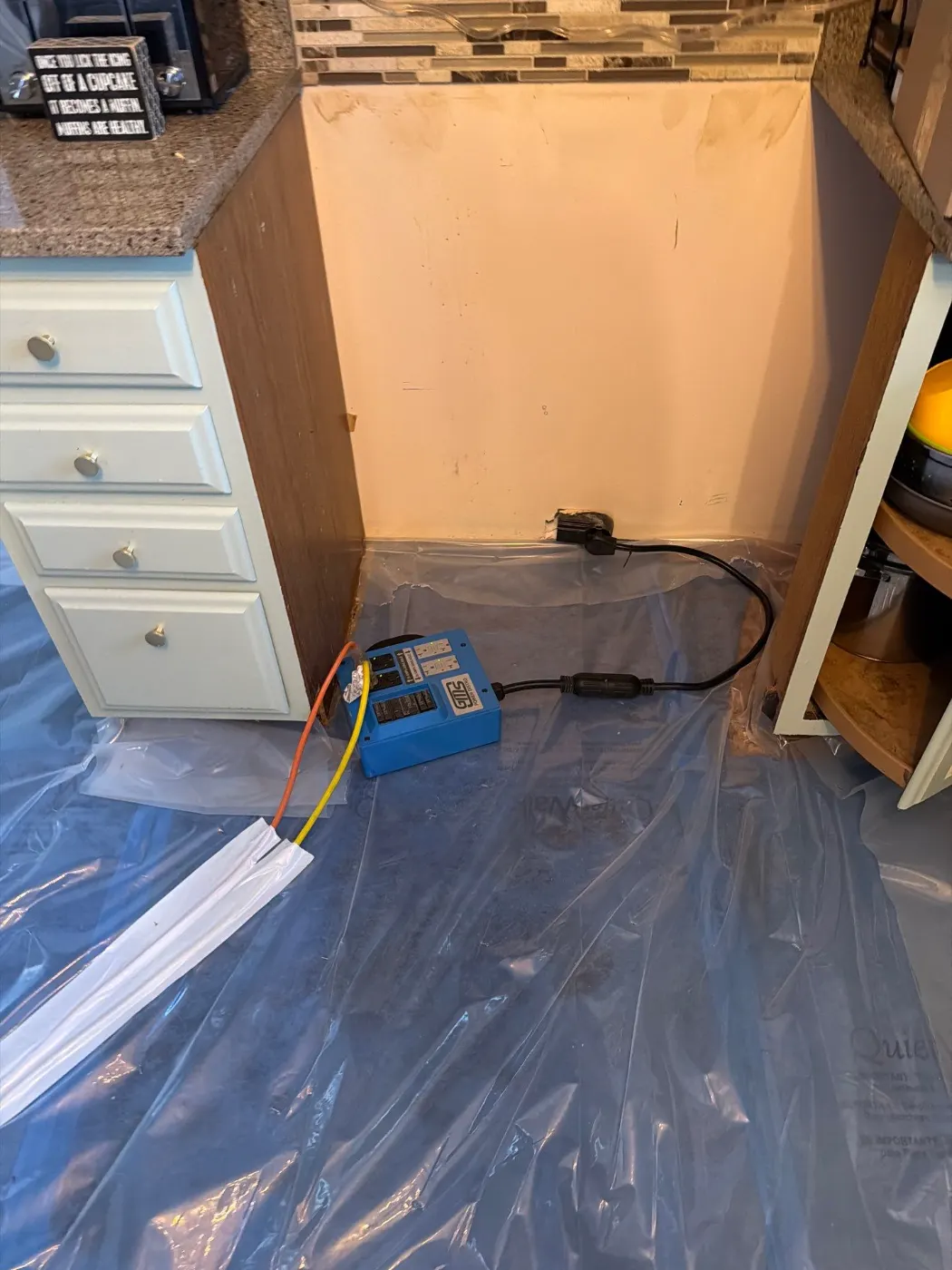
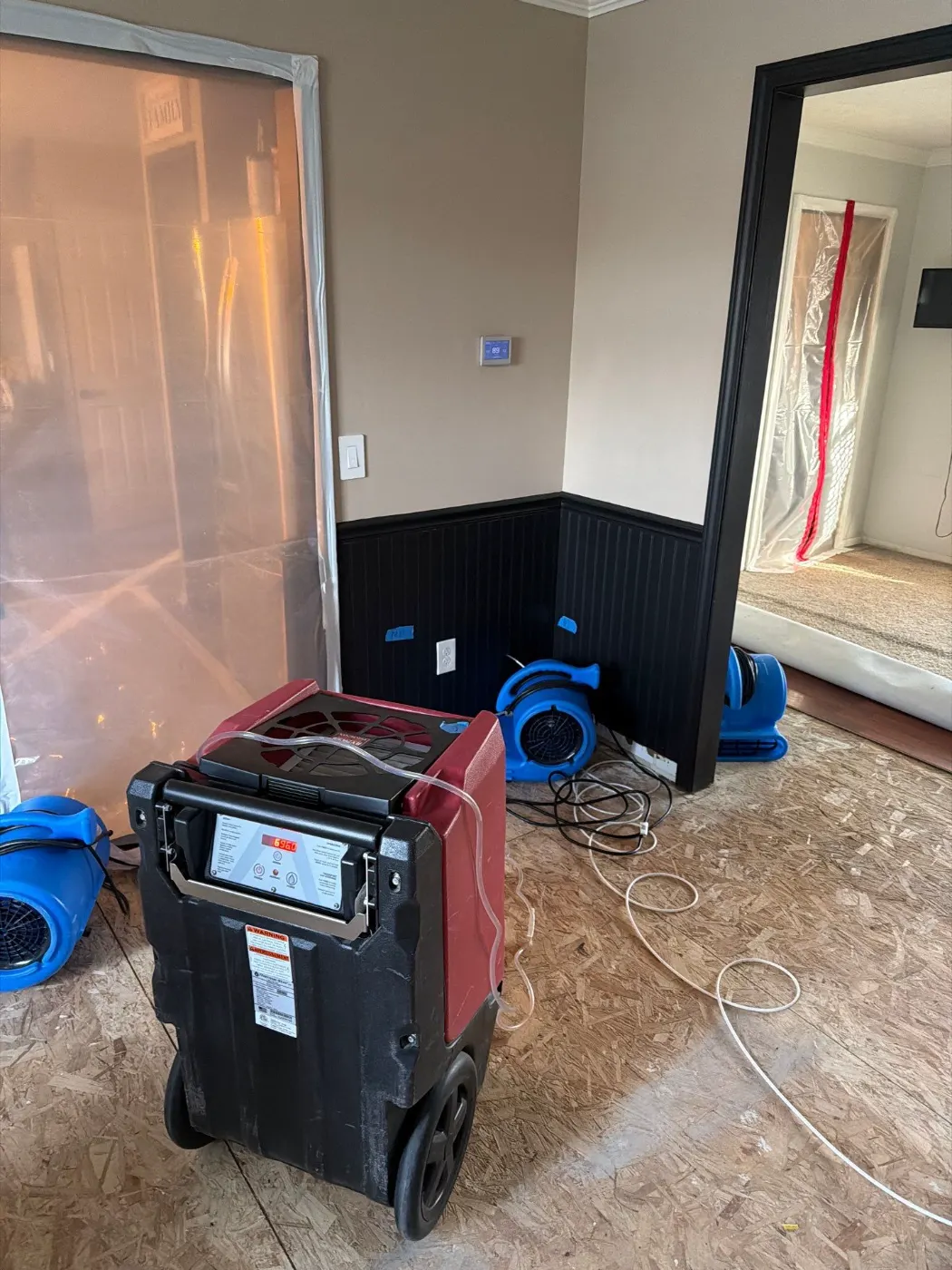
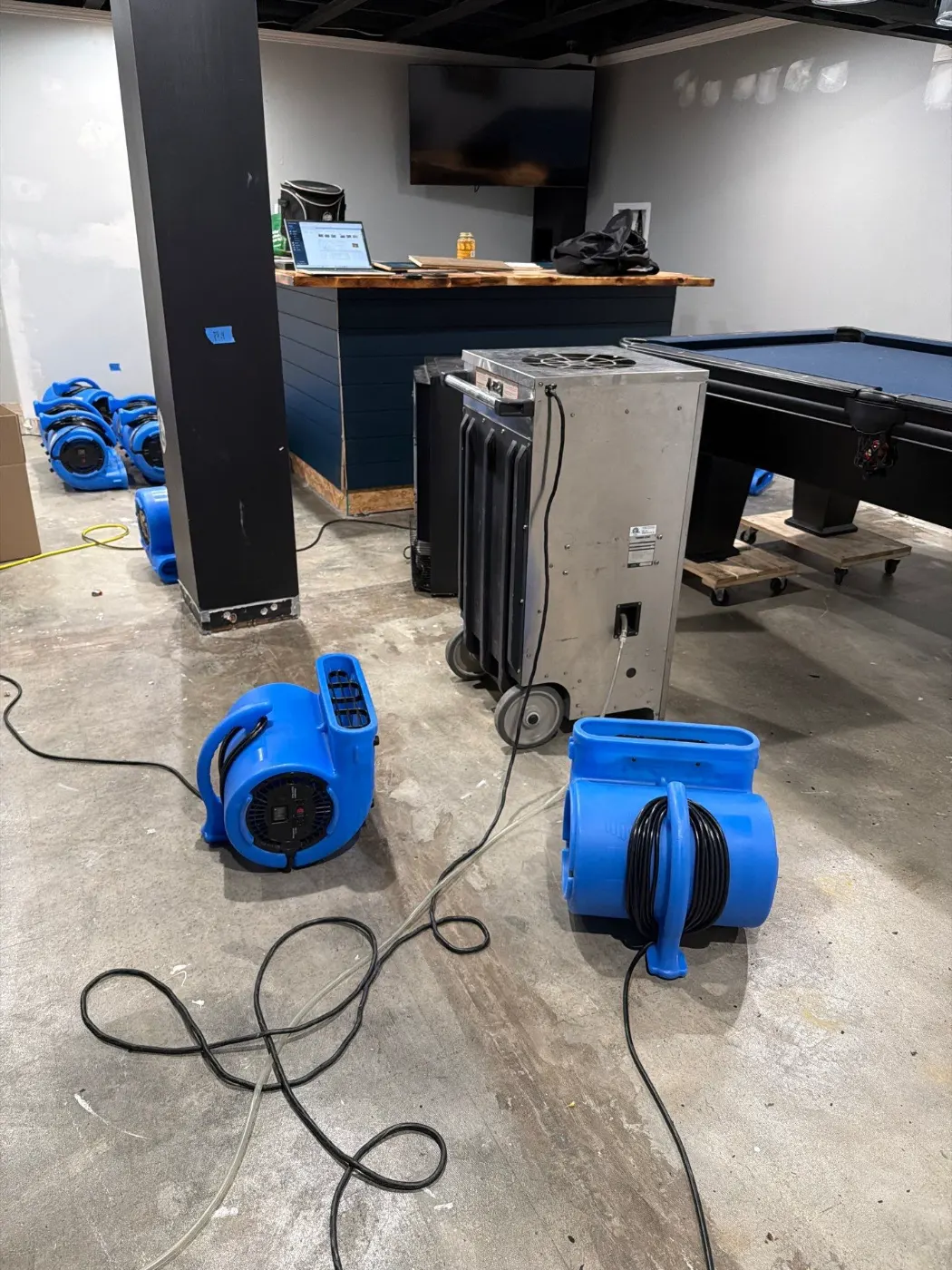
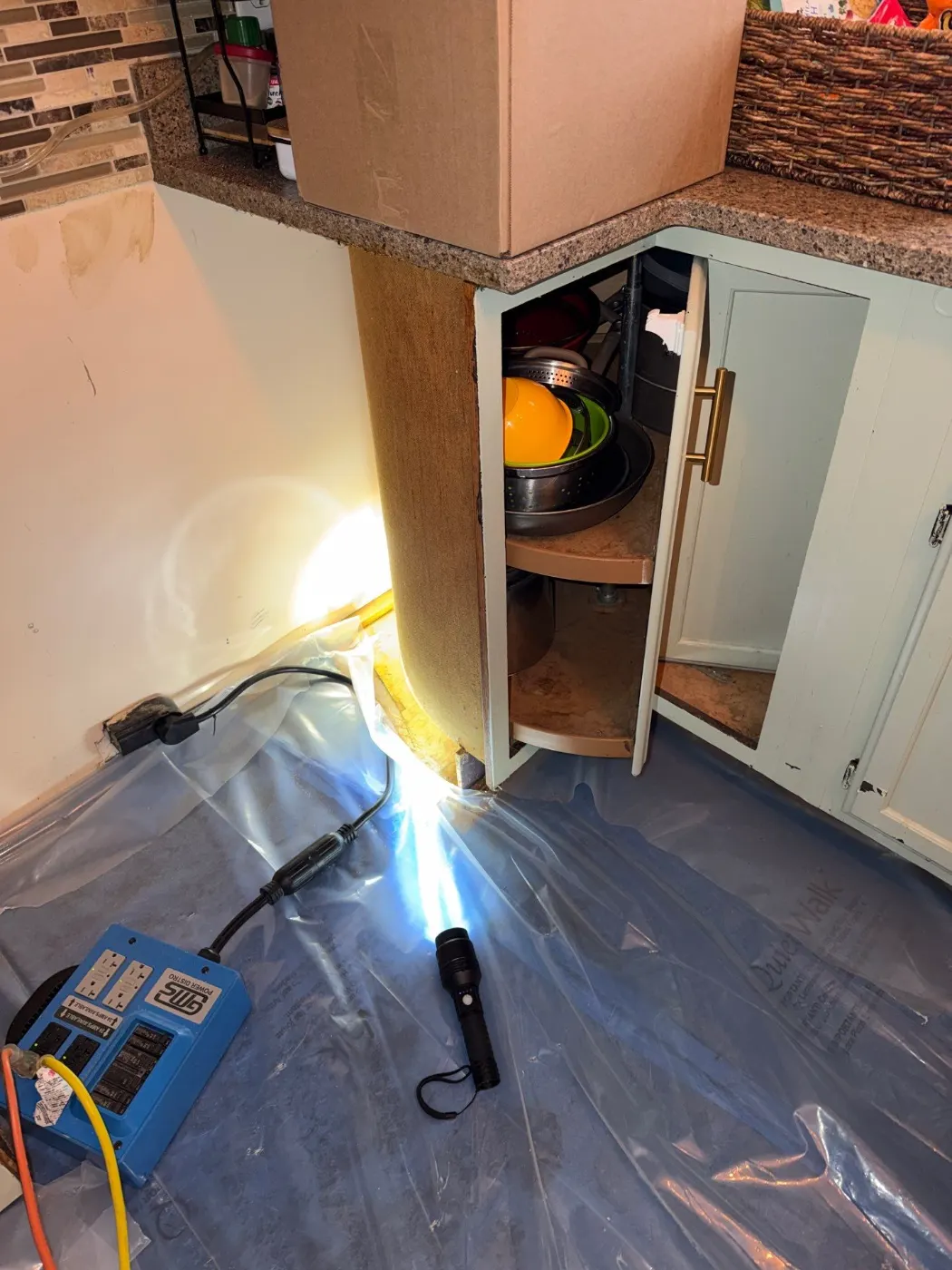
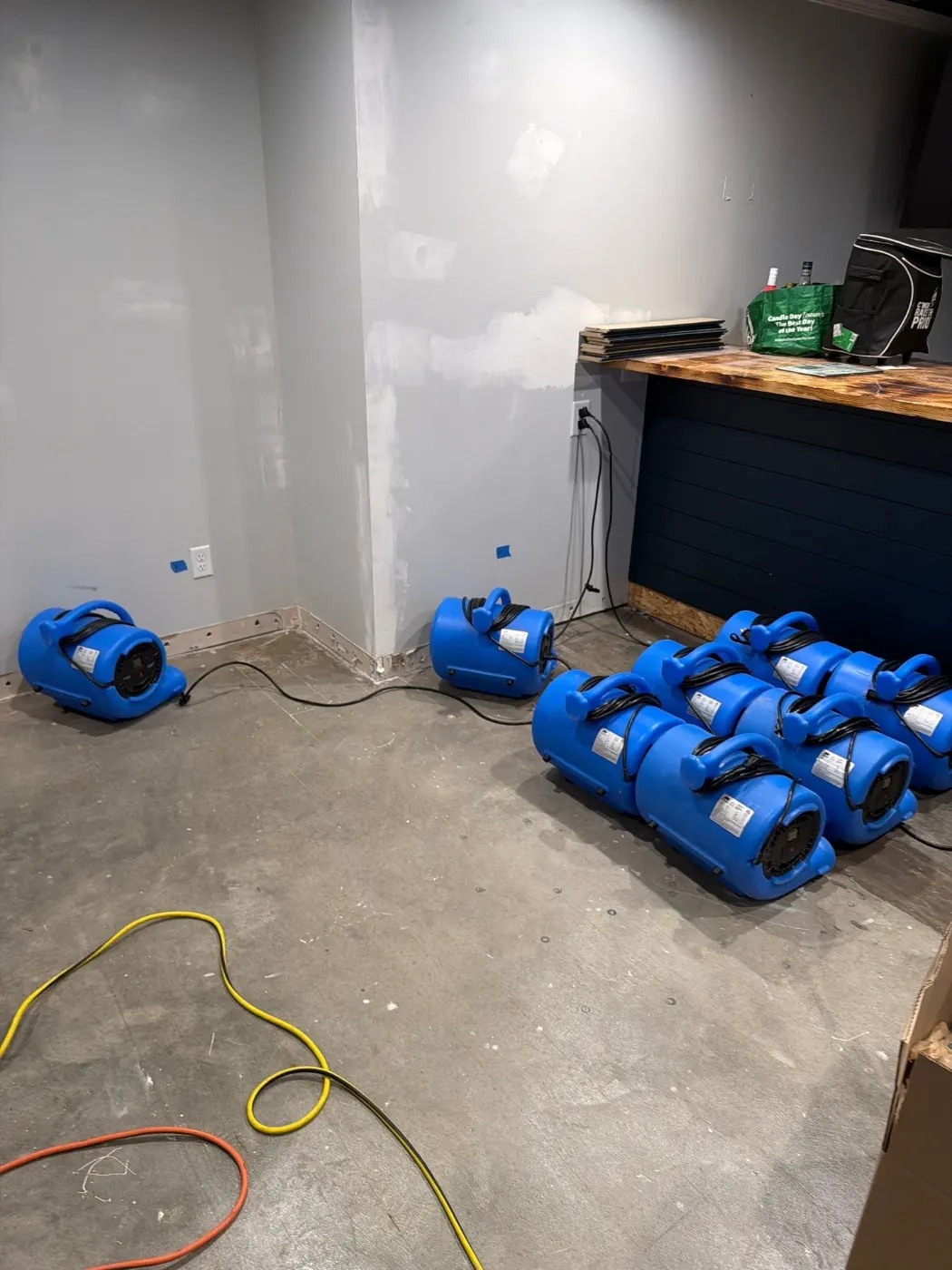
Photographs from real commercial water restoration jobs completed by our crew in Knightstown and surrounding areas.
Commercial Water Restoration FAQ
Questions Knightstown property managers ask us about commercial water restoration.
Guidance and Standards for Commercial Water Restoration
- The ANSI/IICRC S500 is the published standard for professional water damage restoration. The current edition is the Fifth Edition, 2021. IICRC S500 Standard
- EPA advises drying water damaged areas and items within 24 to 48 hours to prevent mold growth. EPA: A Brief Guide to Mold, Moisture and Your Home
Knightstown Neighborhoods We Serve
We take commercial water restoration calls in every part of Knightstown. Pick your neighborhood for local details.
Other Restoration Services in Knightstown
Knightstown Water Restoration handles the full scope of restoration work. Explore our other services below.
Water Damage Restoration in Knightstown
24/7 emergency response. IICRC certified water restoration from extraction to full dry out.
Learn more →Basement Flooding in Knightstown
Basement water emergencies handled fast. Extraction, drying, mold prevention.
Learn more →Sewage Cleanup in Knightstown
Category 3 biohazard cleanup. Full containment, decontamination, structural restoration.
Learn more →Request Commercial Water Restoration
Reach Us Directly
Our team is available 24/7 for emergencies and ready to schedule inspections during business hours.
Need Immediate Help?
For active water or mold emergencies, call us directly. We are available 24/7.